
A landing page is a standalone web page designed with a single objective: to convert a visitor into a lead, subscriber, or customer. Unlike a homepage — which serves many audiences and purposes — a landing page removes all distractions and focuses entirely on one action. That clarity is exactly what makes it so effective.
Landing page vs. homepage: the key difference
Your homepage is a hub. It introduces your brand, links to multiple sections, and serves visitors at different stages of the buying journey. A landing page is a funnel. Every element — the headline, the layout, the images, the form — exists to move the visitor toward one specific action. Navigation menus are often deliberately removed so there is no way out.
| Feature | Homepage | Landing page |
|---|---|---|
| Purpose | Brand overview, navigation hub | Single conversion goal |
| Navigation menu | Yes | Minimal or none |
| Calls to action | Multiple | One (repeated) |
| Target audience | General visitors | Specific campaign audience |
| Traffic source | Organic, direct, referral | Ads, email, social, SEO |
| Conversion rate (average) | 1–3% | 5–15% (well optimised) |
Anatomy of a high-converting landing page
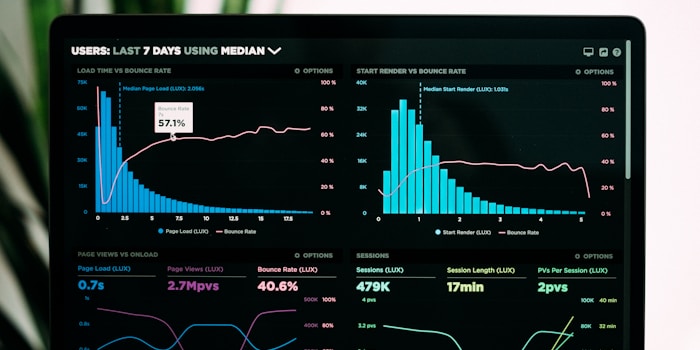
Every element of a landing page has a job. Remove one and conversion rates drop. Here is what a high-performing landing page contains:
- Hero section with a clear headline — within 3 seconds, the visitor must understand what is being offered, who it is for, and why it matters.
- Subheadline that expands the value — one sentence that supports the headline and adds specificity.
- Social proof above the fold — a client logo, a testimonial snippet, or a statistic that builds immediate trust.
- Primary call to action (CTA) — a button with action-oriented text: "Get a free quote", not "Submit".
- Benefits section — not features, but outcomes. Not "we use React", but "your site loads in under a second".
- Objection handling — anticipate the reasons someone would not convert and address them directly.
- Form or contact method — as short as possible. Every additional field reduces conversion rate by approximately 10%.
- Trust signals at the bottom — testimonials, case studies, client logos, or relevant certifications.
Types of landing pages
- Lead generation pages — capture contact details in exchange for a free consultation, quote, or guide. Most common type for service businesses.
- Click-through pages — warm visitors up before sending them to a checkout or sign-up page.
- Sales pages — longer-form pages that handle the entire sales conversation, for high-ticket offers.
- Coming soon pages — build an email list before a product launches.
- Event registration pages — focused on one action: signing up for a webinar or event.
A landing page is not a luxury for large companies — it is the highest-ROI page a small business can have. One well-built page, pointed at the right traffic, can generate more leads than an entire 10-page website.
When does your business need a landing page?
You need a dedicated landing page when you run paid advertising, launch a specific product or service, promote a seasonal campaign, or target a specific audience that your homepage does not address directly. Sending paid traffic to a generic homepage wastes budget — a purpose-built landing page can cut your cost per lead in half.
I design and build custom landing pages from €600 — built from scratch, conversion-optimised, guaranteed 100/100 on Google Lighthouse. Learn more about the landing page design service or get in touch.